
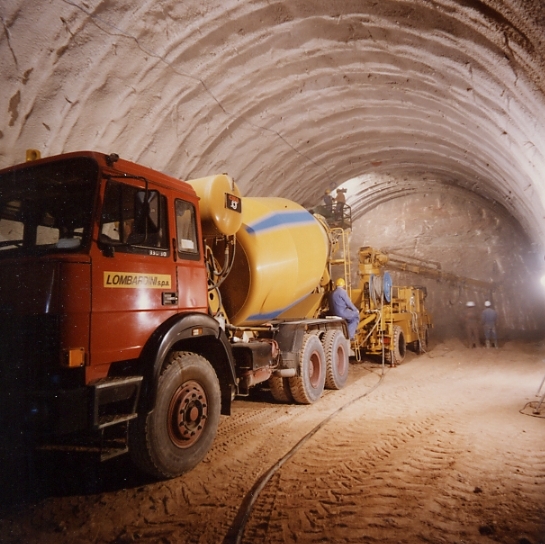
State Road No. 29 “del Colle di Cadibona” – Construction works of the Altare bypass (Province of Savona) between km 138.00 and km 141.750.
Client | |
Location | |
Period | |
Works value | |
Partners | |
Service |
Project objective
As part of the works for the construction of the Altare bypass (SV), our Company provided the executive construction design on behalf of the contractor.
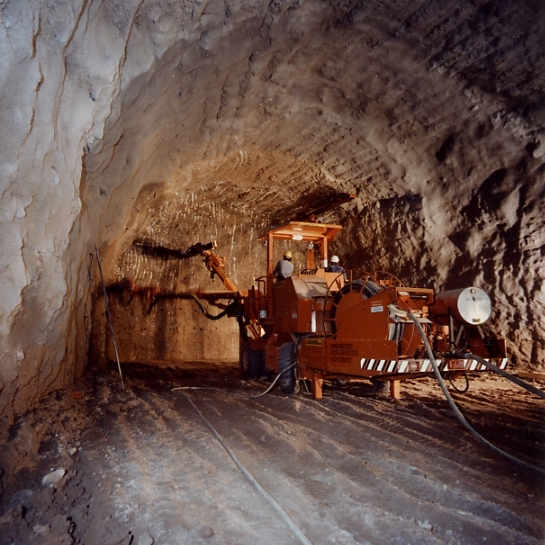
In addition to the design activities, throughout all construction phases our Company provided the contractor with technical assistance and geotechnical consultancy, including excavation-face surveys and processing of data from the monitoring system.
Main works
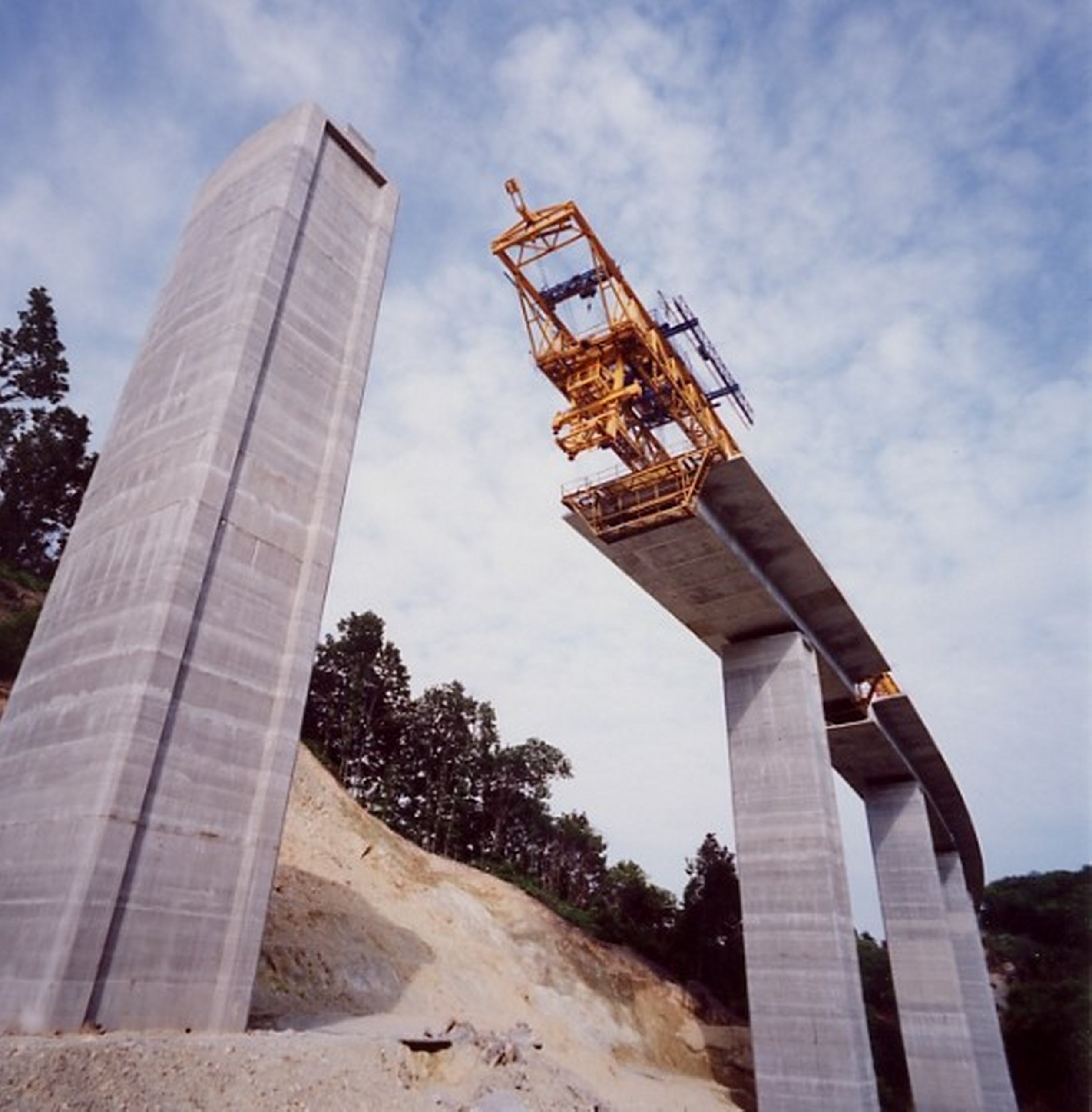
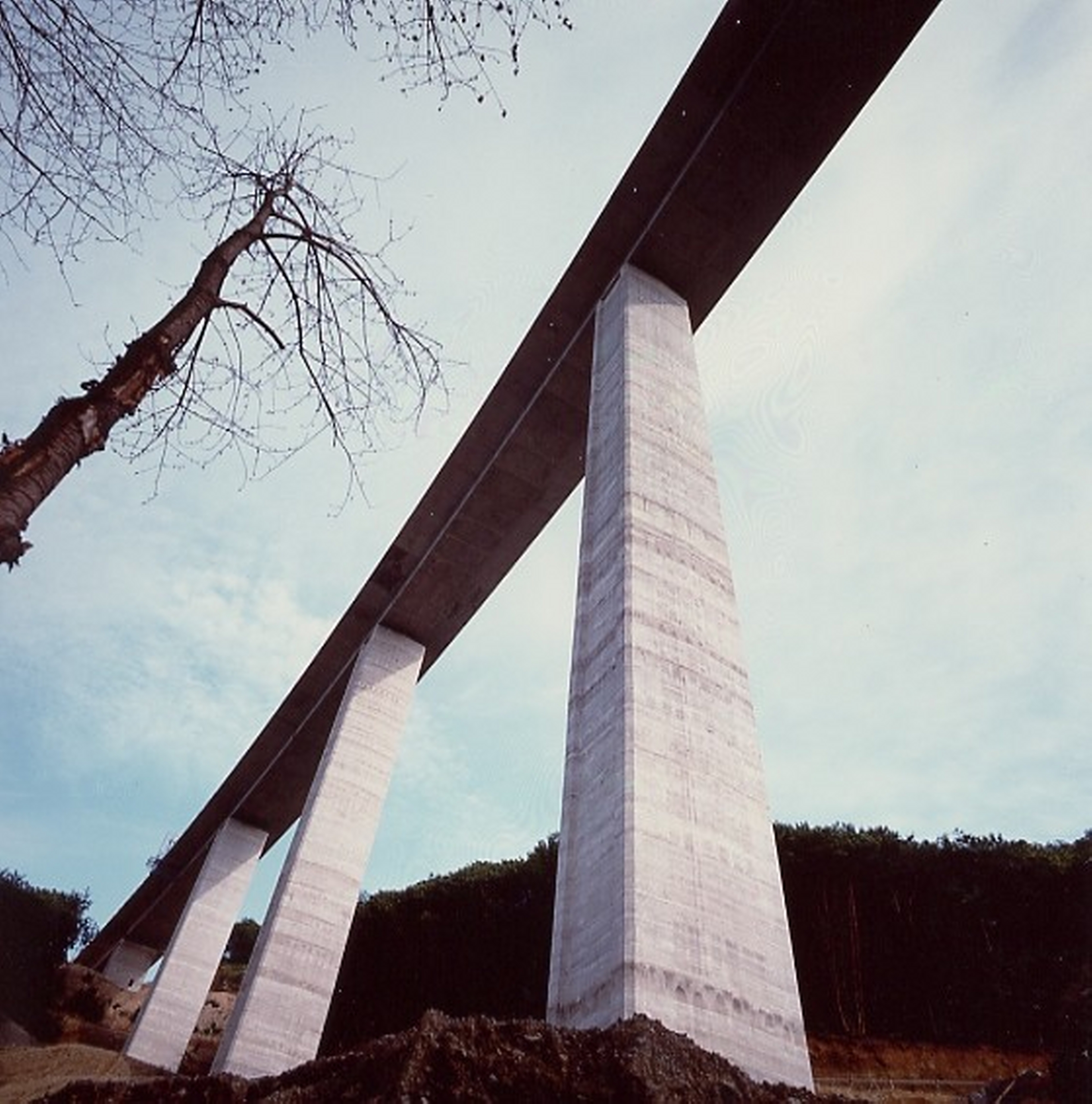
“Rastello” viaduct
The Rastello viaduct deck is a prestressed reinforced-concrete structure and was built using precast segments installed with a launching gantry.
Overall length 415.60 m with spans of 46.0 m.
The piers and abutments are reinforced concrete and were cast entirely in situ. The foundations are set directly on the rock substrate, where consolidation and rock-bolting works were provided. The tallest pier is approximately 65 m high.
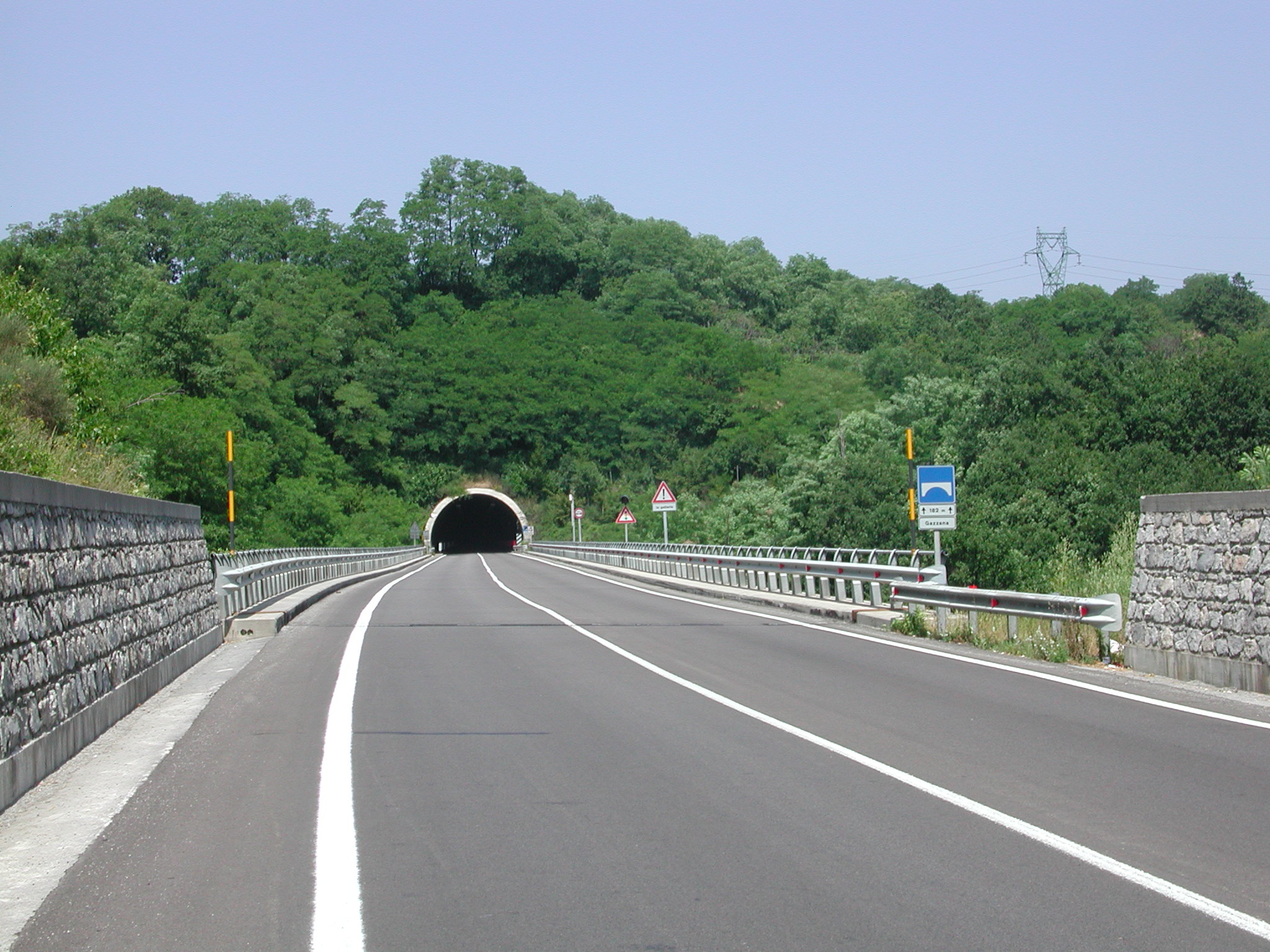
Gazzana viaduct
The Gazzana viaduct deck is a prestressed reinforced-concrete structure built with precast girders erected by mobile crane.
Overall length 415.60 m with spans of 46.0 m.
The piers and abutments are reinforced concrete and were cast entirely in situ. The foundations are set directly on the rock substrate, where consolidation and rock-bolting works were provided. The tallest pier is approximately 65 m high.
“Fugona” tunnel
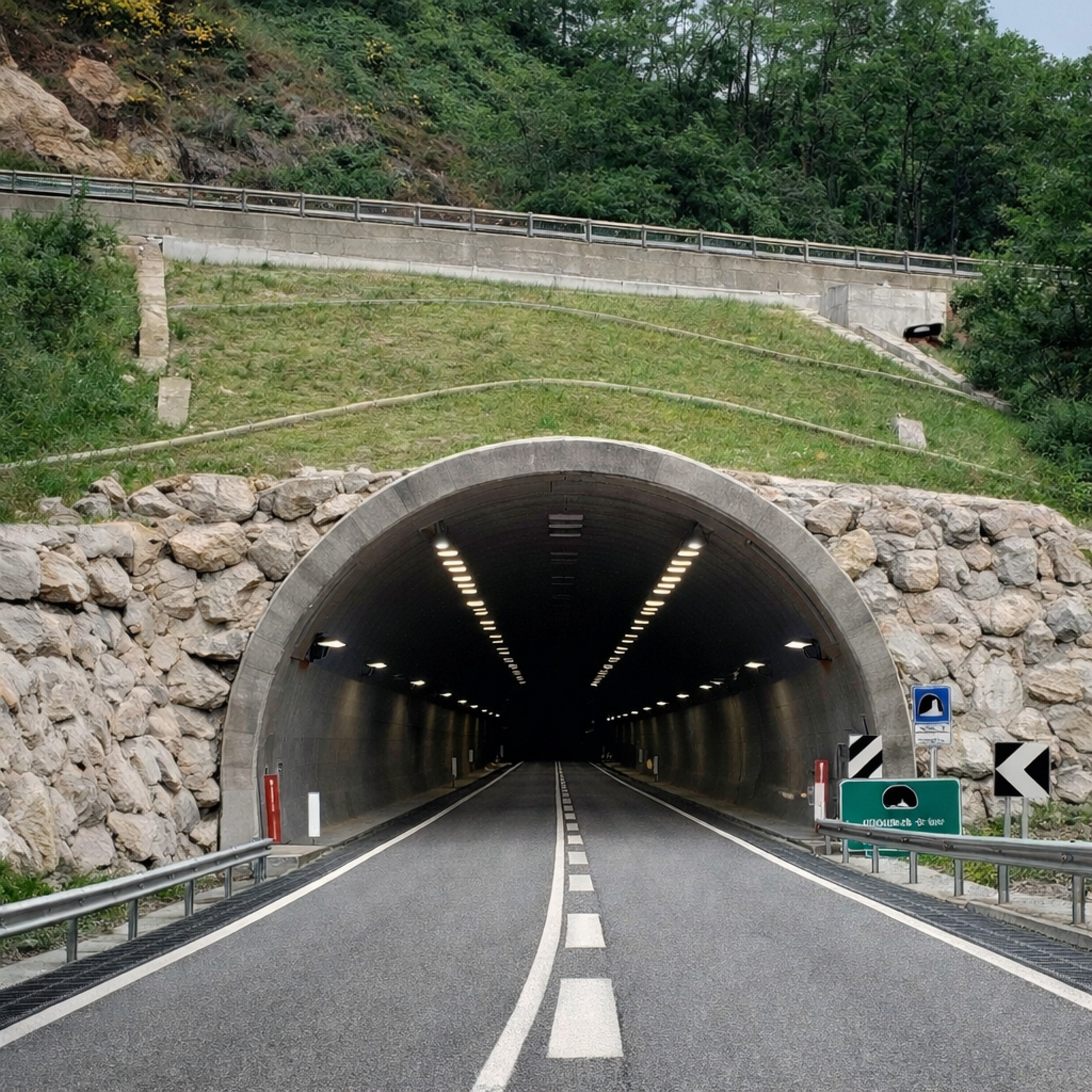
It comprises two natural tunnel sections with only a short cut-and-cover section in between, effectively forming a single tunnel with an overall length of approximately 2,000 m.
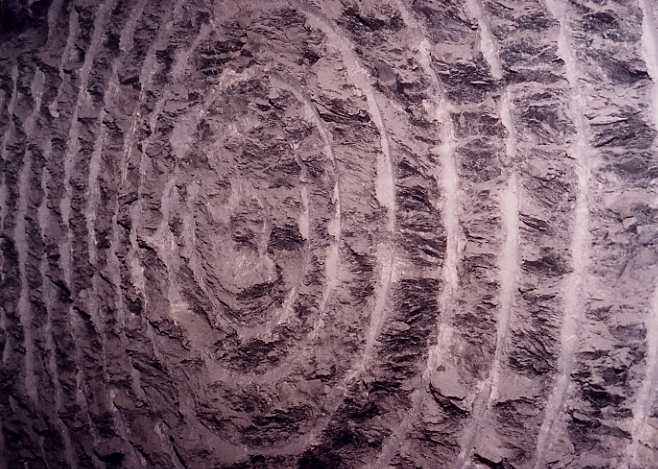
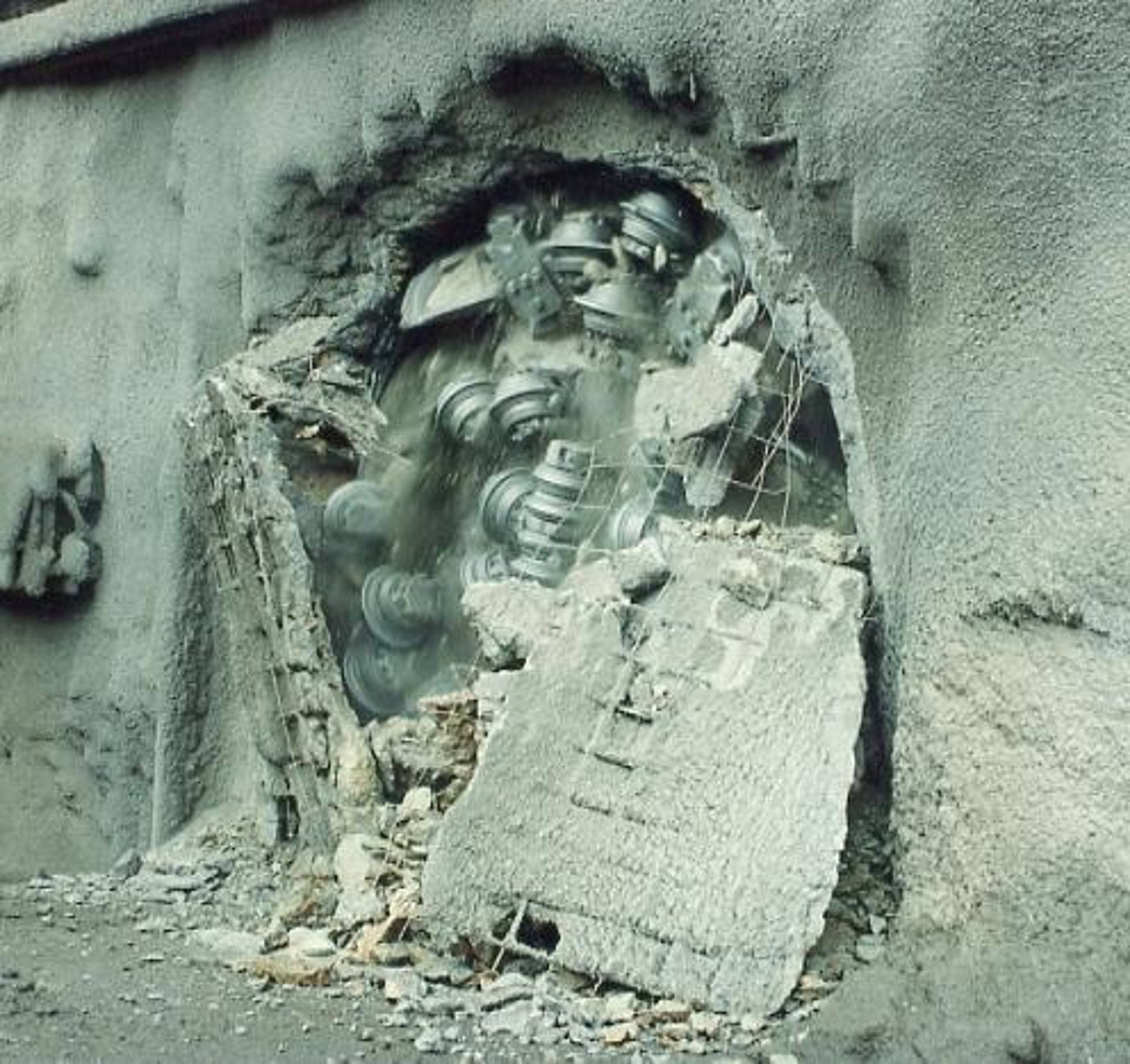
Geotechnical investigations were integrated by excavation of a “pilot bore” with TBM (Tunnel Boring Machine) to verify the difficult geomechanical conditions due to a rock mass with extremely poor mechanical characteristics, which had already caused numerous instabilities in the area. This made it possible to define the most suitable excavation and support methods, as well as the first-stage and final lining.
Previous

Next
